



Chemical Datasheet
COBALT |
|
Chemical Identifiers
)
The
Chemical Identifier fields
include common identification numbers, the
NFPA diamond
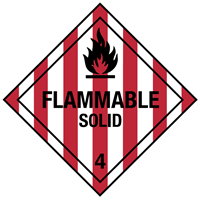
U.S. Department of Transportation hazard labels, and a general
description of the chemical. The information in CAMEO Chemicals comes
from a variety of
data sources.
| CAS Number | UN/NA Number | DOT Hazard Label | USCG CHRIS Code |
|---|---|---|---|
|
|
none | |
| NIOSH Pocket Guide | International Chem Safety Card | ||
Cobalt metal dust and fume (as Co)
|
|||
NFPA 704
data unavailable
General Description
A black powder.
Hazards
)
The
Hazard fields
include
special hazard alerts
air and water
reactions, fire hazards, health hazards, a reactivity profile, and
details about
reactive groups assignments
and
potentially incompatible absorbents.
The information in CAMEO Chemicals comes from a variety of
data sources.
Reactivity Alerts
- Known Catalytic Activity
- Pyrophoric
Air & Water Reactions
Burns brilliantly when exposed to air [Mellor 14:453(1946-1947)]. Insoluble in water.
Fire Hazard
Literature sources indicate that the dust of this chemical is flammable. (NTP, 1992)
Health Hazard
Excerpt from NIOSH Pocket Guide for Cobalt metal dust and fume (as Co):
Exposure Routes: Inhalation, ingestion, skin and/or eye contact
Symptoms: Cough, dyspnea (breathing difficulty), wheezing, decreased pulmonary function; weight loss; dermatitis; diffuse nodular fibrosis; respiratory hypersensitivity, asthma
Target Organs: Skin, respiratory system (NIOSH, 2024)
:Exposure Routes: Inhalation, ingestion, skin and/or eye contact
Symptoms: Cough, dyspnea (breathing difficulty), wheezing, decreased pulmonary function; weight loss; dermatitis; diffuse nodular fibrosis; respiratory hypersensitivity, asthma
Target Organs: Skin, respiratory system (NIOSH, 2024)
Reactivity Profile
Pyrophoric COBALT is a reducing agent. Decomposes acetylene in the cold as the metal becomes incandescent [Mellor 14:513(1946-1947]. Incompatible with oxidizing agents such as ammonium nitrate, bromine pentafluoride, and nitryl fluoride.
Belongs to the Following Reactive Group(s)
Potentially Incompatible Absorbents
No information available.
Response Recommendations
)
The
Response Recommendation fields
include isolation and evacuation distances, as well as recommendations for
firefighting, non-fire response, protective clothing, and first aid. The
information in CAMEO Chemicals comes from a variety of
data sources.
Isolation and Evacuation
Excerpt from ERG Guide 133 [Flammable Solids]:
IMMEDIATE PRECAUTIONARY MEASURE: Isolate spill or leak area for at least 25 meters (75 feet) in all directions.
LARGE SPILL: Consider initial downwind evacuation for at least 100 meters (330 feet).
FIRE: If tank, rail tank car or highway tank is involved in a fire, ISOLATE for 800 meters (1/2 mile) in all directions; also, consider initial evacuation for 800 meters (1/2 mile) in all directions. (ERG, 2024)
IMMEDIATE PRECAUTIONARY MEASURE: Isolate spill or leak area for at least 25 meters (75 feet) in all directions.
LARGE SPILL: Consider initial downwind evacuation for at least 100 meters (330 feet).
FIRE: If tank, rail tank car or highway tank is involved in a fire, ISOLATE for 800 meters (1/2 mile) in all directions; also, consider initial evacuation for 800 meters (1/2 mile) in all directions. (ERG, 2024)
Firefighting
Fires involving this material can be controlled with a dry chemical, carbon dioxide or Halon extinguisher. Dry sand, dry dolomite or dry graphite powder may also be used. (NTP, 1992)
Non-Fire Response
SMALL SPILLS AND LEAKAGE: If you spill this chemical, you should dampen the solid spill material with water, then transfer the dampened material to a suitable container. Use absorbent paper dampened with water to pick up any remaining material. Seal your contaminated clothing and the absorbent paper in a vapor-tight plastic bag for eventual disposal. Wash all contaminated surfaces with a soap and water solution. Do not reenter the contaminated area until the Safety Officer (or other responsible person) has verified that the area has been properly cleaned.
STORAGE PRECAUTIONS: You should store this material under ambient temperatures and away from acids and oxidizing materials. (NTP, 1992)
STORAGE PRECAUTIONS: You should store this material under ambient temperatures and away from acids and oxidizing materials. (NTP, 1992)
Protective Clothing
Excerpt from NIOSH Pocket Guide for Cobalt metal dust and fume (as Co):
Skin: PREVENT SKIN CONTACT - Wear appropriate personal protective clothing to prevent skin contact.
Eyes: No recommendation is made specifying the need for eye protection.
Wash skin: WHEN CONTAMINATED - The worker should immediately wash the skin when it becomes contaminated.
Remove: WHEN WET OR CONTAMINATED - Work clothing that becomes wet or significantly contaminated should be removed and replaced.
Change: DAILY - Workers whose clothing may have become contaminated should change into uncontaminated clothing before leaving the work premises. (NIOSH, 2024)
:Skin: PREVENT SKIN CONTACT - Wear appropriate personal protective clothing to prevent skin contact.
Eyes: No recommendation is made specifying the need for eye protection.
Wash skin: WHEN CONTAMINATED - The worker should immediately wash the skin when it becomes contaminated.
Remove: WHEN WET OR CONTAMINATED - Work clothing that becomes wet or significantly contaminated should be removed and replaced.
Change: DAILY - Workers whose clothing may have become contaminated should change into uncontaminated clothing before leaving the work premises. (NIOSH, 2024)
DuPont Tychem® Suit Fabrics
No information available.
First Aid
EYES: First check the victim for contact lenses and remove if present. Flush victim's eyes with water or normal saline solution for 20 to 30 minutes while simultaneously calling a hospital or poison control center. Do not put any ointments, oils, or medication in the victim's eyes without specific instructions from a physician. IMMEDIATELY transport the victim after flushing eyes to a hospital even if no symptoms (such as redness or irritation) develop.
SKIN: IMMEDIATELY flood affected skin with water while removing and isolating all contaminated clothing. Gently wash all affected skin areas thoroughly with soap and water. If symptoms such as redness or irritation develop, IMMEDIATELY call a physician and be prepared to transport the victim to a hospital for treatment.
INHALATION: IMMEDIATELY leave the contaminated area; take deep breaths of fresh air. If symptoms (such as wheezing, coughing, shortness of breath, or burning in the mouth, throat, or chest) develop, call a physician and be prepared to transport the victim to a hospital. Provide proper respiratory protection to rescuers entering an unknown atmosphere. Whenever possible, Self-Contained Breathing Apparatus (SCBA) should be used; if not available, use a level of protection greater than or equal to that advised under Protective Clothing.
INGESTION: Some heavy metals are VERY TOXIC POISONS, especially if their salts are very soluble in water (e.g., lead, chromium, mercury, bismuth, osmium, and arsenic). IMMEDIATELY call a hospital or poison control center and locate activated charcoal, egg whites, or milk in case the medical advisor recommends administering one of them. Also locate Ipecac syrup or a glass of salt water in case the medical advisor recommends inducing vomiting. Usually, this is NOT RECOMMENDED outside of a physician's care. If advice from a physician is not readily available and the victim is conscious and not convulsing, give the victim a glass of activated charcoal slurry in water or, if this is not available, a glass of milk, or beaten egg whites and IMMEDIATELY transport victim to a hospital. If the victim is convulsing or unconscious, do not give anything by mouth, assure that the victim's airway is open and lay the victim on his/her side with the head lower than the body. DO NOT INDUCE VOMITING. IMMEDIATELY transport the victim to a hospital. (NTP, 1992)
SKIN: IMMEDIATELY flood affected skin with water while removing and isolating all contaminated clothing. Gently wash all affected skin areas thoroughly with soap and water. If symptoms such as redness or irritation develop, IMMEDIATELY call a physician and be prepared to transport the victim to a hospital for treatment.
INHALATION: IMMEDIATELY leave the contaminated area; take deep breaths of fresh air. If symptoms (such as wheezing, coughing, shortness of breath, or burning in the mouth, throat, or chest) develop, call a physician and be prepared to transport the victim to a hospital. Provide proper respiratory protection to rescuers entering an unknown atmosphere. Whenever possible, Self-Contained Breathing Apparatus (SCBA) should be used; if not available, use a level of protection greater than or equal to that advised under Protective Clothing.
INGESTION: Some heavy metals are VERY TOXIC POISONS, especially if their salts are very soluble in water (e.g., lead, chromium, mercury, bismuth, osmium, and arsenic). IMMEDIATELY call a hospital or poison control center and locate activated charcoal, egg whites, or milk in case the medical advisor recommends administering one of them. Also locate Ipecac syrup or a glass of salt water in case the medical advisor recommends inducing vomiting. Usually, this is NOT RECOMMENDED outside of a physician's care. If advice from a physician is not readily available and the victim is conscious and not convulsing, give the victim a glass of activated charcoal slurry in water or, if this is not available, a glass of milk, or beaten egg whites and IMMEDIATELY transport victim to a hospital. If the victim is convulsing or unconscious, do not give anything by mouth, assure that the victim's airway is open and lay the victim on his/her side with the head lower than the body. DO NOT INDUCE VOMITING. IMMEDIATELY transport the victim to a hospital. (NTP, 1992)
Physical Properties
)
The
Physical Property fields
include properties such as vapor pressure and
boiling point, as well as explosive limits and
toxic exposure thresholds
The information in CAMEO Chemicals comes from a variety of
data sources.
Note: For Vapor Density and Specific Gravity, comparing the value to 1.0 can tell you if the chemical will likely sink/rise in air or sink/float in fresh water (respectively). Short phrases have been added to those values below as an aid. However, make sure to also consider the circumstances of a release. The Vapor Density comparisons are only valid when the gas escaping is at the same temperature as the surrounding air itself. If the chemical is escaping from a container where it was pressurized or refrigerated, it may first escape and behave as a heavy gas and sink in the air (even if it has a Vapor Density value less than 1). Also, the Specific Gravity comparisons are for fresh water (density 1.0 g/mL). If your spill is in salt water (density about 1.027 g/mL), you need to adjust the point of comparison. There are some chemicals that will sink in fresh water and float in salt water.
Note: For Vapor Density and Specific Gravity, comparing the value to 1.0 can tell you if the chemical will likely sink/rise in air or sink/float in fresh water (respectively). Short phrases have been added to those values below as an aid. However, make sure to also consider the circumstances of a release. The Vapor Density comparisons are only valid when the gas escaping is at the same temperature as the surrounding air itself. If the chemical is escaping from a container where it was pressurized or refrigerated, it may first escape and behave as a heavy gas and sink in the air (even if it has a Vapor Density value less than 1). Also, the Specific Gravity comparisons are for fresh water (density 1.0 g/mL). If your spill is in salt water (density about 1.027 g/mL), you need to adjust the point of comparison. There are some chemicals that will sink in fresh water and float in salt water.
| Chemical Formula: |
|
Flash Point: data unavailable
Lower Explosive Limit (LEL): data unavailable
Upper Explosive Limit (UEL): data unavailable
Autoignition Temperature: data unavailable
Melting Point:
2723°F
(NTP, 1992)
Vapor Pressure:
0 mmHg
at 68°F
(NTP, 1992)
Vapor Density (Relative to Air): data unavailable
Specific Gravity:
8.9
at 68°F
(NTP, 1992)
- Denser than water; will sink
Boiling Point:
5198°F
at 760 mmHg
(NTP, 1992)
Molecular Weight:
58.93
(NTP, 1992)
Water Solubility:
less than 1 mg/mL
at 66°F
(NTP, 1992)
Ionization Energy/Potential: data unavailable
IDLH:
20 mg Co/m3
(NIOSH, 2024)
AEGLs (Acute Exposure Guideline Levels)
No AEGL information available.ERPGs (Emergency Response Planning Guidelines)
No ERPG information available.PACs (Protective Action Criteria)
| Chemical | PAC-1 | PAC-2 | PAC-3 |
|---|---|---|---|
| Cobalt (7440-48-4) | 0.06 mg/m3 | 2 mg/m3 | 20 mg/m3 |
(DOE, 2024)
Regulatory Information
)
The
Regulatory Information fields
include information from
the U.S. Environmental Protection Agency's Title III Consolidated List of
Lists,
the U.S. Cybersecurity and Infrastructure Security Agency's Chemical Facility
Anti-Terrorism Standards,
and the U.S. Occupational Safety and Health Administration's
Process Safety Management of Highly Hazardous Chemicals Standard List
(see more about these
data sources).
EPA Consolidated List of Lists
| Regulatory Name | CAS Number/ 313 Category Code |
EPCRA 302 EHS TPQ |
EPCRA 304 EHS RQ |
CERCLA RQ | EPCRA 313 TRI |
RCRA Code |
CAA 112(r) RMP TQ |
|---|---|---|---|---|---|---|---|
| Cobalt | 7440-48-4 | 313 | |||||
| Cobalt Compounds | N096 | & | 313 |
- & indicates that no RQ is assigned to this generic or broad class, although the class is a CERCLA hazardous substance. See 50 Federal Register 13456 (April 4, 1985).
(EPA List of Lists, 2024)
CISA Chemical Facility Anti-Terrorism Standards (CFATS)
No regulatory information available.OSHA Process Safety Management (PSM) Standard List
No regulatory information available.Alternate Chemical Names
)
This section provides a listing of alternate names for this chemical,
including trade names and synonyms.
- ACO 4
- AQUACAT
- C.I. 77320
- CO 0138E
- COBALT
- COBALT ELEMENT
- COBALT FULLERIDE (COC20)
- COBALT METAL DUST
- COBALT METAL FUME
- COBALT-59
- NCI-C60311
- SUPER COBALT

Web site owner:
Office of Response and Restoration,
National Ocean Service,
National Oceanic and Atmospheric Administration.
USA.gov.
CAMEO Chemicals version 3.1.0 rev 1.