
 Print
Print
Chemical Datasheet
TRIMETHYLAMINE, ANHYDROUS |
|
Chemical Identifiers
| CAS Number |
UN/NA Number |
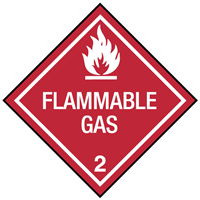
DOT Hazard Label |
USCG CHRIS Code |
- 75-50-3

|
|
|
|
| NIOSH Pocket Guide |
International Chem Safety Card |
|
Trimethylamine
|
- TRIMETHYLAMINE
- TRIMETHYLAMINE (40% aqueous solution)
|
NFPA 704
General Description
A colorless gas with a fishlike odor at low concentrations changing to ammonia-like odor at higher concentrations. Shipped as a liquid under its own vapor pressure. Contact with the unconfined liquid can cause frostbite from evaporative cooling or chemical type burns. The gasis corrosive and dissolves in water to form flammable, corrosive solutions. Gas is an asphyxiate by the displacement of air. Produces toxic oxides of nitrogen during combustion. Prolonged exposure to heat can cause the containers to rupture violently and rocket. Long-term inhalation of low concentrations or short -term inhalation of high concentrations has adverse health effects.
Hazards
Reactivity Alerts
Air & Water Reactions
Highly flammable and easily ignited. Water soluble.
Fire Hazard
FLAMMABLE. Flashback along vapor trail may occur. Vapor may explode if ignited in an enclosed area. Vapor is heavier than air and may travel a considerable distance to a source of ignition and flash back. (USCG, 1999)
Health Hazard
VAPOR: POISONOUS IF INHALED. Irritating to eyes, nose, and throat. LIQUID: Will burn skin and eyes. Harmful if swallowed. (USCG, 1999)
Reactivity Profile
TRIMETHYLAMINE neutralizes acids in exothermic reactions to form salts plus water. May be incompatible with isocyanates, halogenated organics, peroxides, phenols (acidic), epoxides, anhydrides, and acid halides. Flammable gaseous hydrogen may be generated in combination with strong reducing agents, such as hydrides. Contamination of an ethylene oxide tank with trimethylamine caused an explosion [BCISC Quart. Safety Summ., 1966, 37, 44].
Belongs to the Following Reactive Group(s)
- Amines, Phosphines, and Pyridines
Potentially Incompatible Absorbents
Use caution: Liquids with this reactive group classification have been
known to react with the
absorbent
listed below.
- Mineral-Based & Clay-Based Absorbents
Response Recommendations
Isolation and Evacuation
Excerpt from 118

[Gases - Flammable - Corrosive]:
IMMEDIATE PRECAUTIONARY MEASURE: Isolate spill or leak area for at least 100 meters (330 feet) in all directions.
LARGE SPILL: Consider initial downwind evacuation for at least 800 meters (1/2 mile).
FIRE: If tank, rail car or tank truck is involved in a fire, ISOLATE for 1600 meters (1 mile) in all directions; also, consider initial evacuation for 1600 meters (1 mile) in all directions. (ERG, 2020)
Firefighting
Excerpt from 118
[Gases - Flammable - Corrosive]:
DO NOT EXTINGUISH A LEAKING GAS FIRE UNLESS LEAK CAN BE STOPPED.
SMALL FIRE: Dry chemical or CO2.
LARGE FIRE: Water spray, fog or regular foam. If it can be done safely, move undamaged containers away from the area around the fire. Damaged cylinders should be handled only by specialists.
FIRE INVOLVING TANKS: Fight fire from maximum distance or use unmanned master stream devices or monitor nozzles. Cool containers with flooding quantities of water until well after fire is out. Do not direct water at source of leak or safety devices; icing may occur. Withdraw immediately in case of rising sound from venting safety devices or discoloration of tank. ALWAYS stay away from tanks engulfed in fire. (ERG, 2020)
Non-Fire Response
Excerpt from 118
[Gases - Flammable - Corrosive]:
ELIMINATE all ignition sources (no smoking, flares, sparks or flames) from immediate area. All equipment used when handling the product must be grounded. Do not touch or walk through spilled material. Stop leak if you can do it without risk. If possible, turn leaking containers so that gas escapes rather than liquid. Use water spray to reduce vapors or divert vapor cloud drift. Avoid allowing water runoff to contact spilled material. Do not direct water at spill or source of leak. Isolate area until gas has dispersed. (ERG, 2020)
Protective Clothing
Wear goggles and self-contained breathing apparatus. (USCG, 1999)
DuPont Tychem® Suit Fabrics
Normalized Breakthrough Times (in Minutes)
| Chemical |
CAS Number |
State |
QS |
QC |
SL |
C3 |
TF |
TP |
RC |
TK |
RF |
| Trimethyl amine |
75-50-3 |
Vapor |
|
|
|
|
|
|
|
>480 |
|
Special Warning from DuPont: Tychem® and Tyvek® fabrics should not be
used around heat, flames, sparks or in potentially flammable or
explosive environments. Only...
(DuPont, 2023)
First Aid
INHALATION: remove victim to fresh air and call a doctor; give artificial respiration and oxygen if needed.
EYES: flush with water for at least 15 minutes; consult an eye doctor.
SKIN: flush with water, wash with soap and water. (USCG, 1999)
Physical Properties
Flash Point:
Not Applicable. Gas.
(USCG, 1999)
Lower Explosive Limit (LEL):
2 %
(USCG, 1999)
Upper Explosive Limit (UEL):
11.6 %
(USCG, 1999)
Autoignition Temperature:
374°F
(USCG, 1999)
Melting Point:
-178.8°F
(USCG, 1999)
Vapor Pressure:
1487.83 mmHg
at 70°F
(USCG, 1999)
Vapor Density (Relative to Air):
2
(USCG, 1999)
- Heavier than air; will sink
Specific Gravity:
0.633
at 68°F
(USCG, 1999)
- Less dense than water; will float
Boiling Point:
37.2°F
at 760 mmHg
(USCG, 1999)
Molecular Weight:
59.11
(USCG, 1999)
Water Solubility:
48 %
at 86°F
(NIOSH, 2023)
Ionization Energy/Potential:
7.82 eV
(NIOSH, 2023)
IDLH: data unavailable
AEGLs (Acute Exposure Guideline Levels)
Interim AEGLs for Trimethyl amine (75-50-3)
| Exposure Period |
AEGL-1 |
AEGL-2 |
AEGL-3 |
| 10 minutes |
8 ppm |
240 ppm |
750 ppm |
| 30 minutes |
8 ppm |
150 ppm |
490 ppm |
| 60 minutes |
8 ppm |
120 ppm |
380 ppm |
| 4 hours |
8 ppm |
67 ppm |
220 ppm |
| 8 hours |
8 ppm |
51 ppm |
170 ppm |
(NAC/NRC, 2023)
ERPGs (Emergency Response Planning Guidelines)
| Chemical |
ERPG-1 |
ERPG-2 |
ERPG-3 |
| Trimethylamine (75-50-3)
|
0.1 ppm  |
100 ppm |
500 ppm |
(AIHA, 2022)
PACs (Protective Action Criteria)
| Chemical |
PAC-1 |
PAC-2 |
PAC-3 |
|
| Trimethylamine (75-50-3)
|
8 ppm |
120 ppm |
380 ppm |
LEL = 20000 ppm |
(DOE, 2018)
Regulatory Information
EPA Consolidated List of Lists
| Regulatory Name |
CAS Number/
313 Category Code |
EPCRA 302
EHS TPQ |
EPCRA 304
EHS RQ |
CERCLA RQ |
EPCRA 313
TRI |
RCRA
Code |
CAA 112(r)
RMP TQ |
| Methanamine, N,N-dimethyl- |
75-50-3 |
|
|
100 pounds |
|
|
10000 pounds |
| Trimethylamine |
75-50-3 |
|
|
100 pounds |
|
|
10000 pounds |
(EPA List of Lists, 2022)
CISA Chemical Facility Anti-Terrorism Standards (CFATS)
|
RELEASE |
THEFT |
SABOTAGE |
| Chemical of Interest |
CAS Number |
Min Conc |
STQ |
Security
Issue |
Min Conc |
STQ |
Security
Issue |
Min Conc |
STQ |
Security
Issue |
| Trimethylamine; [Methanamine, N,N-dimethyl-] |
75-50-3 |
1.00 % |
10000 pounds |
flammable |
|
|
|
|
|
|
(CISA, 2007)
OSHA Process Safety Management (PSM) Standard List
No regulatory information available.
Alternate Chemical Names
- METHANAMINE, N,N-DIMETHYL-
- N,N-DIMETHYLMETHANAMINE
- N-TRIMETHYLAMINE
- TRIMETHYLAMINE
- TRIMETHYLAMINE, ANHYDROUS
- TRIMETHYLAMINE, [ANHYDROUS]
 Health
 Flammability
 Instability
 Special