
 Print
Print
Chemical Datasheet
ISO-AMYL ACETATE |
|
Chemical Identifiers
| CAS Number |
UN/NA Number |
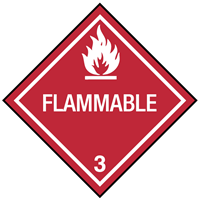
DOT Hazard Label |
USCG CHRIS Code |
- 123-92-2

|
|
|
|
| NIOSH Pocket Guide |
International Chem Safety Card |
|
Isoamyl acetate
|
|
NFPA 704
General Description
Oily liquid; colorless; banana odor. Floats and mixes with water. Flammable, irritating vapor is produced. (USCG, 1999)
Hazards
Reactivity Alerts
Air & Water Reactions
Highly flammable. Insoluble in water.
Fire Hazard
FLAMMABLE. Flashback along vapor trail may occur. Vapor may explode if ignited in an enclosed area. When heated emits acrid fumes. When exposed to flames can react vigorously with reducing materials. (USCG, 1999)
Health Hazard
VAPOR: Irritating to eyes, nose and throat. If inhaled, will cause nausea, headache or dizziness. LIQUID: Irritating to skin and eyes. Harmful if swallowed. (USCG, 1999)
Reactivity Profile
ISO-AMYL ACETATE is an ester. Esters react with acids to liberate heat along with alcohols and acids. Strong oxidizing acids may cause a vigorous reaction that is sufficiently exothermic to ignite the reaction products. Heat is also generated by the interaction of esters with caustic solutions. Flammable hydrogen is generated by mixing esters with alkali metals and hydrides. This compound can react violently with oxidizing materials, nitrates, strong alkalis and strong acids. (NTP, 1992)
Belongs to the Following Reactive Group(s)
- Esters, Sulfate Esters, Phosphate Esters, Thiophosphate Esters, and Borate Esters
Potentially Incompatible Absorbents
No information available.
Response Recommendations
Isolation and Evacuation
Excerpt from 129

[Flammable Liquids (Water-Miscible / Noxious)]:
IMMEDIATE PRECAUTIONARY MEASURE: Isolate spill or leak area for at least 50 meters (150 feet) in all directions.
LARGE SPILL: Consider initial downwind evacuation for at least 300 meters (1000 feet).
FIRE: If tank, rail car or tank truck is involved in a fire, ISOLATE for 800 meters (1/2 mile) in all directions; also, consider initial evacuation for 800 meters (1/2 mile) in all directions. (ERG, 2020)
Firefighting
Extinguish with dry chemical, alcohol foam, or carbon dioxide. Water may be ineffective on fire. Cool exposed containers with water. (USCG, 1999)
Non-Fire Response
Keep people away. Shut off ignition sources. Stop discharge if possible. Avoid contact with liquid and vapor. Stay upwind and use water spray to "knock down" vapor. Isolate and remove discharged material. Notify local health and pollution control agencies. (USCG, 1999)
Protective Clothing
Excerpt from NIOSH Pocket Guide for Isoamyl acetate:
Skin: PREVENT SKIN CONTACT - Wear appropriate personal protective clothing to prevent skin contact.
Eyes: PREVENT EYE CONTACT - Wear appropriate eye protection to prevent eye contact.
Wash skin: WHEN CONTAMINATED - The worker should immediately wash the skin when it becomes contaminated.
Remove: WHEN WET (FLAMMABLE) - Work clothing that becomes wet should be immediately removed due to its flammability hazard (i.e., for liquids with a flash point <100°F).
Change: No recommendation is made specifying the need for the worker to change clothing after the workshift. (NIOSH, 2023)
DuPont Tychem® Suit Fabrics
No information available.
First Aid
EYES: First check the victim for contact lenses and remove if present. Flush victim's eyes with water or normal saline solution for 20 to 30 minutes while simultaneously calling a hospital or poison control center. Do not put any ointments, oils, or medication in the victim's eyes without specific instructions from a physician. IMMEDIATELY transport the victim after flushing eyes to a hospital even if no symptoms (such as redness or irritation) develop.
SKIN: IMMEDIATELY flood affected skin with water while removing and isolating all contaminated clothing. Gently wash all affected skin areas thoroughly with soap and water. If symptoms such as redness or irritation develop, IMMEDIATELY call a physician and be prepared to transport the victim to a hospital for treatment.
INHALATION: IMMEDIATELY leave the contaminated area; take deep breaths of fresh air. If symptoms (such as wheezing, coughing, shortness of breath, or burning in the mouth, throat, or chest) develop, call a physician and be prepared to transport the victim to a hospital. Provide proper respiratory protection to rescuers entering an unknown atmosphere. Whenever possible, Self-Contained Breathing Apparatus (SCBA) should be used; if not available, use a level of protection greater than or equal to that advised under Protective Clothing.
INGESTION: DO NOT INDUCE VOMITING. If the victim is conscious and not convulsing, give 1 or 2 glasses of water to dilute the chemical and IMMEDIATELY call a hospital or poison control center. Be prepared to transport the victim to a hospital if advised by a physician. If the victim is convulsing or unconscious, do not give anything by mouth, ensure that the victim's airway is open and lay the victim on his/her side with the head lower than the body. DO NOT INDUCE VOMITING. IMMEDIATELY transport the victim to a hospital. (NTP, 1992)
Physical Properties
Flash Point:
77°F
(NTP, 1992)
Lower Explosive Limit (LEL):
1 %
at 212°F
(NTP, 1992)
Upper Explosive Limit (UEL):
7.5 %
(NTP, 1992)
Autoignition Temperature:
680°F
(USCG, 1999)
Melting Point:
-109.3°F
(NTP, 1992)
Vapor Pressure:
4 mmHg
at 68°F
; 5 mmHg at 74.7°F; 760 mmHg at 288°F
(NTP, 1992)
Vapor Density (Relative to Air):
4.49
(NTP, 1992)
- Heavier than air; will sink
Specific Gravity:
0.876
at 59°F
(USCG, 1999)
- Less dense than water; will float
Boiling Point:
288°F
at 760 mmHg
(NTP, 1992)
Molecular Weight:
130.18
(NTP, 1992)
Water Solubility:
less than 1 mg/mL
at 66°F
(NTP, 1992)
Ionization Energy/Potential: data unavailable
IDLH:
1000 ppm
(NIOSH, 2023)
AEGLs (Acute Exposure Guideline Levels)
No AEGL information available.
ERPGs (Emergency Response Planning Guidelines)
No ERPG information available.
PACs (Protective Action Criteria)
| Chemical |
PAC-1 |
PAC-2 |
PAC-3 |
|
| Isoamyl acetate; (Isopentyl acetate) (123-92-2)
|
100 ppm |
500 ppm |
3000 ppm  |
LEL = 10000 ppm |
(DOE, 2018)
Regulatory Information
EPA Consolidated List of Lists
| Regulatory Name |
CAS Number/
313 Category Code |
EPCRA 302
EHS TPQ |
EPCRA 304
EHS RQ |
CERCLA RQ |
EPCRA 313
TRI |
RCRA
Code |
CAA 112(r)
RMP TQ |
| iso-Amyl acetate |
123-92-2 |
|
|
5000 pounds |
|
|
|
(EPA List of Lists, 2022)
CISA Chemical Facility Anti-Terrorism Standards (CFATS)
No regulatory information available.
OSHA Process Safety Management (PSM) Standard List
No regulatory information available.
Alternate Chemical Names
- ACETIC ACID 3-METHYLBUTYL ESTER
- ACETIC ACID, ISOPENTYL ESTER
- AMYLACETIC ESTER
- BANANA OIL
- I-AMYL ACETATE
- ISO-AMYL ACETATE
- ISOAMYL ACETATE
- ISOAMYL ALCOHOL ACETATE
- ISOAMYL ETHANOATE
- ISOAMYLACETATE
- ISOPENTYL ACETATE
- ISOPENTYL ALCOHOL, ACETATE
- ISOPENTYL ESTER ACETIC ACID
- ISOPENTYL ETHANOATE
- 3-METHYL BUTYL ESTER ACETIC ACID
- 3-METHYL-1-BUTANOL ACETATE
- 3-METHYL-1-BUTYL ACETATE
- 3-METHYLBUTYL ACETATE
- 3-METHYLBUTYL ESTER OF ACETIC ACID
- 3-METHYLBUTYL ETHANOATE
- PEAR OIL
 Health
 Flammability
 Instability
 Special