



Chemical Datasheet
FURFURYL ALCOHOL |
|
Chemical Identifiers
)
The
Chemical Identifier fields
include common identification numbers, the
NFPA diamond
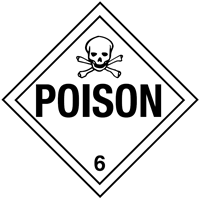
U.S. Department of Transportation hazard labels, and a general
description of the chemical. The information in CAMEO Chemicals comes
from a variety of
data sources.
| CAS Number | UN/NA Number | DOT Hazard Label | USCG CHRIS Code |
|---|---|---|---|
|
|
||
| NIOSH Pocket Guide | International Chem Safety Card | ||
Furfuryl alcohol
|
|||


NFPA 704
| Diamond | Hazard | Value | Description | |||||||||
|---|---|---|---|---|---|---|---|---|---|---|---|---|
|
 Health
|
3 | Can cause serious or permanent injury. | |||||||||
 Flammability
|
2 | Must be moderately heated or exposed to relatively high ambient temperatures before ignition can occur. | ||||||||||
 Instability
|
1 | Normally stable but can become unstable at elevated temperatures and pressures. | ||||||||||
 Special
|
(NFPA, 2010)
General Description
A clear colorless liquid. Flash point 167°F. Boiling point 171°F. Denser than water. Contact may irritate skin, eyes and mucous membranes. May be toxic by ingestion and skin contact and moderately toxic by inhalation.
Hazards
)
The
Hazard fields
include
special hazard alerts
air and water
reactions, fire hazards, health hazards, a reactivity profile, and
details about
reactive groups assignments
and
potentially incompatible absorbents.
The information in CAMEO Chemicals comes from a variety of
data sources.
Reactivity Alerts
none
Air & Water Reactions
Slightly soluble in water.
Fire Hazard
Excerpt from ERG Guide 153 [Substances - Toxic and/or Corrosive (Combustible)]:
Combustible material: may burn but does not ignite readily. When heated, vapors may form explosive mixtures with air: indoors, outdoors and sewers explosion hazards. Those substances designated with a (P) may polymerize explosively when heated or involved in a fire. Contact with metals may evolve flammable hydrogen gas. Containers may explode when heated. Runoff may pollute waterways. Substance may be transported in a molten form. (ERG, 2020)
Combustible material: may burn but does not ignite readily. When heated, vapors may form explosive mixtures with air: indoors, outdoors and sewers explosion hazards. Those substances designated with a (P) may polymerize explosively when heated or involved in a fire. Contact with metals may evolve flammable hydrogen gas. Containers may explode when heated. Runoff may pollute waterways. Substance may be transported in a molten form. (ERG, 2020)
Health Hazard
Inhalation causes headache, nausea, and irritation of nose and throat. Vapor irritates eyes; liquid causes inflammation and corneal opacity. Contact of skin with liquid causes dryness and irritation. Ingestion causes headache, nausea, and irritation of mouth and stomach. (USCG, 1999)
Reactivity Profile
Acetyl bromide reacts violently with alcohols or water, [Merck 11th ed., 1989]. Mixtures of alcohols with concentrated sulfuric acid and strong hydrogen peroxide can cause explosions. Example: An explosion will occur if dimethylbenzylcarbinol is added to 90% hydrogen peroxide then acidified with concentrated sulfuric acid. Mixtures of ethyl alcohol with concentrated hydrogen peroxide form powerful explosives. Mixtures of hydrogen peroxide and 1-phenyl-2-methyl propyl alcohol tend to explode if acidified with 70% sulfuric acid, [Chem. Eng. News 45(43):73(1967); J, Org. Chem. 28:1893(1963)].
FURFURYL ALCOHOL will polymerize rapidly and at times with explosive force in the presence of strong mineral acids, [NFPA 491M, 1991]. Alkyl hypochlorites are violently explosive. They are readily obtained by reacting hypochlorous acid and alcohols either in aqueous solution or mixed aqueous-carbon tetrachloride solutions. Chlorine plus alcohols would similarly yield alkyl hypochlorites. They decompose in the cold and explode on exposure to sunlight or heat. Tertiary hypochlorites are less unstable than secondary or primary hypochlorites, [NFPA 491 M, 1991]. Base-catalysed reactions of isocyanates with alcohols should be carried out in inert solvents. Such reactions in the absence of solvents often occur with explosive violence, [Wischmeyer(1969)]. An explosion occurred in a laboratory when cyanoacetic acid was reacted with furfuryl alcohol in an attempt to form the ester, furfuryl cyanoacetate. The explosion occurred a few minutes after the agitator was turned on and heat applied, [MCA Case History 858(1963)]. In the attempt to prepare furfuryl formate from furfuryl alcohol and concentrated formic acid an explosion occurred, [Chem. Eng. News 18:72(1940)].
FURFURYL ALCOHOL will polymerize rapidly and at times with explosive force in the presence of strong mineral acids, [NFPA 491M, 1991]. Alkyl hypochlorites are violently explosive. They are readily obtained by reacting hypochlorous acid and alcohols either in aqueous solution or mixed aqueous-carbon tetrachloride solutions. Chlorine plus alcohols would similarly yield alkyl hypochlorites. They decompose in the cold and explode on exposure to sunlight or heat. Tertiary hypochlorites are less unstable than secondary or primary hypochlorites, [NFPA 491 M, 1991]. Base-catalysed reactions of isocyanates with alcohols should be carried out in inert solvents. Such reactions in the absence of solvents often occur with explosive violence, [Wischmeyer(1969)]. An explosion occurred in a laboratory when cyanoacetic acid was reacted with furfuryl alcohol in an attempt to form the ester, furfuryl cyanoacetate. The explosion occurred a few minutes after the agitator was turned on and heat applied, [MCA Case History 858(1963)]. In the attempt to prepare furfuryl formate from furfuryl alcohol and concentrated formic acid an explosion occurred, [Chem. Eng. News 18:72(1940)].
Belongs to the Following Reactive Group(s)
Potentially Incompatible Absorbents
Use caution: Liquids with this reactive group classification have been known to react with the absorbents listed below. More info about absorbents, including situations to watch out for...
- Cellulose-Based Absorbents
- Dirt/Earth
Response Recommendations
)
The
Response Recommendation fields
include isolation and evacuation distances, as well as recommendations for
firefighting, non-fire response, protective clothing, and first aid. The
information in CAMEO Chemicals comes from a variety of
data sources.
Isolation and Evacuation
Excerpt from ERG Guide 153 [Substances - Toxic and/or Corrosive (Combustible)]:
IMMEDIATE PRECAUTIONARY MEASURE: Isolate spill or leak area in all directions for at least 50 meters (150 feet) for liquids and at least 25 meters (75 feet) for solids.
SPILL: Increase the immediate precautionary measure distance, in the downwind direction, as necessary.
FIRE: If tank, rail car or tank truck is involved in a fire, ISOLATE for 800 meters (1/2 mile) in all directions; also, consider initial evacuation for 800 meters (1/2 mile) in all directions. (ERG, 2020)
IMMEDIATE PRECAUTIONARY MEASURE: Isolate spill or leak area in all directions for at least 50 meters (150 feet) for liquids and at least 25 meters (75 feet) for solids.
SPILL: Increase the immediate precautionary measure distance, in the downwind direction, as necessary.
FIRE: If tank, rail car or tank truck is involved in a fire, ISOLATE for 800 meters (1/2 mile) in all directions; also, consider initial evacuation for 800 meters (1/2 mile) in all directions. (ERG, 2020)
Firefighting
Excerpt from ERG Guide 153 [Substances - Toxic and/or Corrosive (Combustible)]:
SMALL FIRE: Dry chemical, CO2 or water spray.
LARGE FIRE: Dry chemical, CO2, alcohol-resistant foam or water spray. If it can be done safely, move undamaged containers away from the area around the fire. Dike runoff from fire control for later disposal.
FIRE INVOLVING TANKS OR CAR/TRAILER LOADS: Fight fire from maximum distance or use unmanned master stream devices or monitor nozzles. Do not get water inside containers. Cool containers with flooding quantities of water until well after fire is out. Withdraw immediately in case of rising sound from venting safety devices or discoloration of tank. ALWAYS stay away from tanks engulfed in fire. (ERG, 2020)
SMALL FIRE: Dry chemical, CO2 or water spray.
LARGE FIRE: Dry chemical, CO2, alcohol-resistant foam or water spray. If it can be done safely, move undamaged containers away from the area around the fire. Dike runoff from fire control for later disposal.
FIRE INVOLVING TANKS OR CAR/TRAILER LOADS: Fight fire from maximum distance or use unmanned master stream devices or monitor nozzles. Do not get water inside containers. Cool containers with flooding quantities of water until well after fire is out. Withdraw immediately in case of rising sound from venting safety devices or discoloration of tank. ALWAYS stay away from tanks engulfed in fire. (ERG, 2020)
Non-Fire Response
Excerpt from ERG Guide 153 [Substances - Toxic and/or Corrosive (Combustible)]:
ELIMINATE all ignition sources (no smoking, flares, sparks or flames) from immediate area. Do not touch damaged containers or spilled material unless wearing appropriate protective clothing. Stop leak if you can do it without risk. Prevent entry into waterways, sewers, basements or confined areas. Absorb or cover with dry earth, sand or other non-combustible material and transfer to containers. DO NOT GET WATER INSIDE CONTAINERS. (ERG, 2020)
ELIMINATE all ignition sources (no smoking, flares, sparks or flames) from immediate area. Do not touch damaged containers or spilled material unless wearing appropriate protective clothing. Stop leak if you can do it without risk. Prevent entry into waterways, sewers, basements or confined areas. Absorb or cover with dry earth, sand or other non-combustible material and transfer to containers. DO NOT GET WATER INSIDE CONTAINERS. (ERG, 2020)
Protective Clothing
Excerpt from NIOSH Pocket Guide for Furfuryl alcohol:
Skin: PREVENT SKIN CONTACT - Wear appropriate personal protective clothing to prevent skin contact.
Eyes: PREVENT EYE CONTACT - Wear appropriate eye protection to prevent eye contact.
Wash skin: WHEN CONTAMINATED - The worker should immediately wash the skin when it becomes contaminated.
Remove: WHEN WET OR CONTAMINATED - Work clothing that becomes wet or significantly contaminated should be removed and replaced.
Change: No recommendation is made specifying the need for the worker to change clothing after the workshift.
Provide: QUICK DRENCH - Facilities for quickly drenching the body should be provided within the immediate work area for emergency use where there is a possibility of exposure. [Note: It is intended that these facilities provide a sufficient quantity or flow of water to quickly remove the substance from any body areas likely to be exposed. The actual determination of what constitutes an adequate quick drench facility depends on the specific circumstances. In certain instances, a deluge shower should be readily available, whereas in others, the availability of water from a sink or hose could be considered adequate.] (NIOSH, 2023)
:Skin: PREVENT SKIN CONTACT - Wear appropriate personal protective clothing to prevent skin contact.
Eyes: PREVENT EYE CONTACT - Wear appropriate eye protection to prevent eye contact.
Wash skin: WHEN CONTAMINATED - The worker should immediately wash the skin when it becomes contaminated.
Remove: WHEN WET OR CONTAMINATED - Work clothing that becomes wet or significantly contaminated should be removed and replaced.
Change: No recommendation is made specifying the need for the worker to change clothing after the workshift.
Provide: QUICK DRENCH - Facilities for quickly drenching the body should be provided within the immediate work area for emergency use where there is a possibility of exposure. [Note: It is intended that these facilities provide a sufficient quantity or flow of water to quickly remove the substance from any body areas likely to be exposed. The actual determination of what constitutes an adequate quick drench facility depends on the specific circumstances. In certain instances, a deluge shower should be readily available, whereas in others, the availability of water from a sink or hose could be considered adequate.] (NIOSH, 2023)
DuPont Tychem® Suit Fabrics
No information available.
First Aid
EYES: First check the victim for contact lenses and remove if present. Flush victim's eyes with water or normal saline solution for 20 to 30 minutes while simultaneously calling a hospital or poison control center. Do not put any ointments, oils, or medication in the victim's eyes without specific instructions from a physician. IMMEDIATELY transport the victim after flushing eyes to a hospital even if no symptoms (such as redness or irritation) develop.
SKIN: IMMEDIATELY flood affected skin with water while removing and isolating all contaminated clothing. Gently wash all affected skin areas thoroughly with soap and water. IMMEDIATELY call a hospital or poison control center even if no symptoms (such as redness or irritation) develop. IMMEDIATELY transport the victim to a hospital for treatment after washing the affected areas.
INHALATION: IMMEDIATELY leave the contaminated area; take deep breaths of fresh air. IMMEDIATELY call a physician and be prepared to transport the victim to a hospital even if no symptoms (such as wheezing, coughing, shortness of breath, or burning in the mouth, throat, or chest) develop. Provide proper respiratory protection to rescuers entering an unknown atmosphere. Whenever possible, Self-Contained Breathing Apparatus (SCBA) should be used; if not available, use a level of protection greater than or equal to that advised under Protective Clothing.
INGESTION: If the victim is conscious and not convulsing, give 1 or 2 glasses of water to dilute the chemical and IMMEDIATELY call a hospital or poison control center. Generally, the induction of vomiting is NOT recommended outside of a physician's care due to the risk of aspirating the chemical into the victim's lungs. However, if the victim is conscious and not convulsing and if medical help is not readily available, consider the risk of inducing vomiting because of the high toxicity of the chemical ingested. Ipecac syrup or salt water may be used in such an emergency. IMMEDIATELY transport the victim to a hospital. If the victim is convulsing or unconscious, do not give anything by mouth, ensure that the victim's airway is open and lay the victim on his/her side with the head lower than the body. DO NOT INDUCE VOMITING. IMMEDIATELY transport the victim to a hospital. (NTP, 1992)
SKIN: IMMEDIATELY flood affected skin with water while removing and isolating all contaminated clothing. Gently wash all affected skin areas thoroughly with soap and water. IMMEDIATELY call a hospital or poison control center even if no symptoms (such as redness or irritation) develop. IMMEDIATELY transport the victim to a hospital for treatment after washing the affected areas.
INHALATION: IMMEDIATELY leave the contaminated area; take deep breaths of fresh air. IMMEDIATELY call a physician and be prepared to transport the victim to a hospital even if no symptoms (such as wheezing, coughing, shortness of breath, or burning in the mouth, throat, or chest) develop. Provide proper respiratory protection to rescuers entering an unknown atmosphere. Whenever possible, Self-Contained Breathing Apparatus (SCBA) should be used; if not available, use a level of protection greater than or equal to that advised under Protective Clothing.
INGESTION: If the victim is conscious and not convulsing, give 1 or 2 glasses of water to dilute the chemical and IMMEDIATELY call a hospital or poison control center. Generally, the induction of vomiting is NOT recommended outside of a physician's care due to the risk of aspirating the chemical into the victim's lungs. However, if the victim is conscious and not convulsing and if medical help is not readily available, consider the risk of inducing vomiting because of the high toxicity of the chemical ingested. Ipecac syrup or salt water may be used in such an emergency. IMMEDIATELY transport the victim to a hospital. If the victim is convulsing or unconscious, do not give anything by mouth, ensure that the victim's airway is open and lay the victim on his/her side with the head lower than the body. DO NOT INDUCE VOMITING. IMMEDIATELY transport the victim to a hospital. (NTP, 1992)
Physical Properties
)
The
Physical Property fields
include properties such as vapor pressure and
boiling point, as well as explosive limits and
toxic exposure thresholds
The information in CAMEO Chemicals comes from a variety of
data sources.
Note: For Vapor Density and Specific Gravity, comparing the value to 1.0 can tell you if the chemical will likely sink/rise in air or sink/float in fresh water (respectively). Short phrases have been added to those values below as an aid. However, make sure to also consider the circumstances of a release. The Vapor Density comparisons are only valid when the gas escaping is at the same temperature as the surrounding air itself. If the chemical is escaping from a container where it was pressurized or refrigerated, it may first escape and behave as a heavy gas and sink in the air (even if it has a Vapor Density value less than 1). Also, the Specific Gravity comparisons are for fresh water (density 1.0 g/mL). If your spill is in salt water (density about 1.027 g/mL), you need to adjust the point of comparison. There are some chemicals that will sink in fresh water and float in salt water.
Note: For Vapor Density and Specific Gravity, comparing the value to 1.0 can tell you if the chemical will likely sink/rise in air or sink/float in fresh water (respectively). Short phrases have been added to those values below as an aid. However, make sure to also consider the circumstances of a release. The Vapor Density comparisons are only valid when the gas escaping is at the same temperature as the surrounding air itself. If the chemical is escaping from a container where it was pressurized or refrigerated, it may first escape and behave as a heavy gas and sink in the air (even if it has a Vapor Density value less than 1). Also, the Specific Gravity comparisons are for fresh water (density 1.0 g/mL). If your spill is in salt water (density about 1.027 g/mL), you need to adjust the point of comparison. There are some chemicals that will sink in fresh water and float in salt water.
| Chemical Formula: |
|
Flash Point:
167°F
(NTP, 1992)
Lower Explosive Limit (LEL):
1.8 %
(NTP, 1992)
Upper Explosive Limit (UEL):
16.3 %
(NTP, 1992)
Autoignition Temperature:
736°F
(USCG, 1999)
Melting Point:
-24°F
(NTP, 1992)
Vapor Pressure:
0.4 mmHg
at 68°F
; 1 mmHg at 89.2°F
(NTP, 1992)
Vapor Density (Relative to Air):
3.4
(NTP, 1992)
- Heavier than air; will sink
Specific Gravity:
1.13
at 68°F
(USCG, 1999)
- Denser than water; will sink
Boiling Point:
338°F
at 760 mmHg
(NTP, 1992)
Molecular Weight:
98.1
(NTP, 1992)
Water Solubility:
greater than or equal to 100 mg/mL
at 73°F
(NTP, 1992)
Ionization Energy/Potential: data unavailable
IDLH:
75 ppm
(NIOSH, 2023)
AEGLs (Acute Exposure Guideline Levels)
No AEGL information available.ERPGs (Emergency Response Planning Guidelines)
No ERPG information available.PACs (Protective Action Criteria)
| Chemical | PAC-1 | PAC-2 | PAC-3 | |
|---|---|---|---|---|
| Furfuryl alcohol (98-00-0) | 15 ppm | 42 ppm | 250 ppm | LEL = 18000 ppm |
(DOE, 2018)
Regulatory Information
)
The
Regulatory Information fields
include information from
the U.S. Environmental Protection Agency's Title III Consolidated List of
Lists,
the U.S. Cybersecurity and Infrastructure Security Agency's Chemical Facility
Anti-Terrorism Standards,
and the U.S. Occupational Safety and Health Administration's
Process Safety Management of Highly Hazardous Chemicals Standard List
(see more about these
data sources).
EPA Consolidated List of Lists
No regulatory information available.CISA Chemical Facility Anti-Terrorism Standards (CFATS)
No regulatory information available.OSHA Process Safety Management (PSM) Standard List
No regulatory information available.Alternate Chemical Names
)
This section provides a listing of alternate names for this chemical,
including trade names and synonyms.
- ALPHA-FURFURYL ALCOHOL
- ALPHA-FURYLCARBINOL
- CHEM-REZ 200
- 2-FURANCARBINOL
- 2-FURANMETHANOL
- 2-FURANYLMETHANOL
- FURFURAL ALCOHOL
- FURFURALCOHOL
- FURFURANOL
- FURFURYL ALCOHOL
- 2-FURFURYL ALCOHOL
- FURYL ALCOHOL
- FURYLCARBINOL
- 2-FURYLCARBINOL
- 2-FURYLMETHANOL
- 2-(HYDROXYMETHYL)FURAN
- 2-HYDROXYMETHYLFURAN
- 5-HYDROXYMETHYLFURAN
- METHANOL, (2-FURYL)-
- NCI-C56224

Web site owner:
Office of Response and Restoration,
National Ocean Service,
National Oceanic and Atmospheric Administration.
USA.gov.
CAMEO Chemicals version 3.0.0.