



Chemical Datasheet
ZIRAM |
|
Chemical Identifiers
)
The
Chemical Identifier fields
include common identification numbers, the
NFPA diamond
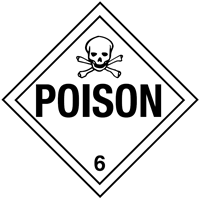
U.S. Department of Transportation hazard labels, and a general
description of the chemical. The information in CAMEO Chemicals comes
from a variety of
data sources.
| CAS Number | UN/NA Number | DOT Hazard Label | USCG CHRIS Code |
|---|---|---|---|
|
|
none | |
| NIOSH Pocket Guide | International Chem Safety Card | ||
| none | |||
NFPA 704
data unavailable
General Description
PHYSICAL DESCRIPTION: Odorless white powder. (NTP, 1992)
Hazards
)
The
Hazard fields
include
special hazard alerts
air and water
reactions, fire hazards, health hazards, a reactivity profile, and
details about
reactive groups assignments
and
potentially incompatible absorbents.
The information in CAMEO Chemicals comes from a variety of
data sources.
Reactivity Alerts
none
Air & Water Reactions
Thio and dithiocarbamates slowly decompose in aqueous solution to form carbon disulfide and methylamine or other amines. Such decompositions are accelerated by acids. Insoluble in water.
Fire Hazard
This chemical is combustible. This compound may form explosive dust-air mixtures. (NTP, 1992)
Health Hazard
SYMPTOMS: Symptoms of exposure to this compound include irritation of the skin, nose, throat and eyes. It may also cause gastritis, reduced hemoglobin and vegetodystonia. Other symptoms include brain edema and hemorrhage. In vivo, it may be corrosive to the eyes and cause hemolysis, dystrophy of the muscle, liver and kidney damage, emphysema, local necrosis of the intestine, neural and visual disturbances, irritation of the skin and mucous membranes and dermatitis. It can also cause headache, tightness of the chest and irritation of the respiratory tract.
ACUTE/CHRONIC HAZARDS: This compound is a skin and mucous membrane irritant. It may be absorbed through intact skin. When heated to decomposition it emits toxic fumes of carbon monoxide, carbon dioxide, sulfur oxides and nitrogen oxides. (NTP, 1992)
ACUTE/CHRONIC HAZARDS: This compound is a skin and mucous membrane irritant. It may be absorbed through intact skin. When heated to decomposition it emits toxic fumes of carbon monoxide, carbon dioxide, sulfur oxides and nitrogen oxides. (NTP, 1992)
Reactivity Profile
ZIRAM is a dithiocarbamate. Flammable gases are generated by the combination of thiocarbamates and dithiocarbamates with aldehydes, nitrides, and hydrides. Thiocarbamates and dithiocarbamates are incompatible with acids, peroxides, and acid halides. ZIRAM is corrosive to iron and copper. It is incompatible with strong oxidizing agents and acids. It is also incompatible with mercury. (NTP, 1992)
Belongs to the Following Reactive Group(s)
Potentially Incompatible Absorbents
Use caution: Liquids with this reactive group classification have been known to react with the absorbents listed below. More info about absorbents, including situations to watch out for...
- Cellulose-Based Absorbents
- Mineral-Based & Clay-Based Absorbents
- Dirt/Earth
Response Recommendations
)
The
Response Recommendation fields
include isolation and evacuation distances, as well as recommendations for
firefighting, non-fire response, protective clothing, and first aid. The
information in CAMEO Chemicals comes from a variety of
data sources.
Isolation and Evacuation
Excerpt from ERG Guide 151 [Substances - Toxic (Non-Combustible)]:
IMMEDIATE PRECAUTIONARY MEASURE: Isolate spill or leak area in all directions for at least 50 meters (150 feet) for liquids and at least 25 meters (75 feet) for solids.
SPILL: Increase the immediate precautionary measure distance, in the downwind direction, as necessary.
FIRE: If tank, rail car or tank truck is involved in a fire, ISOLATE for 800 meters (1/2 mile) in all directions; also, consider initial evacuation for 800 meters (1/2 mile) in all directions. (ERG, 2020)
IMMEDIATE PRECAUTIONARY MEASURE: Isolate spill or leak area in all directions for at least 50 meters (150 feet) for liquids and at least 25 meters (75 feet) for solids.
SPILL: Increase the immediate precautionary measure distance, in the downwind direction, as necessary.
FIRE: If tank, rail car or tank truck is involved in a fire, ISOLATE for 800 meters (1/2 mile) in all directions; also, consider initial evacuation for 800 meters (1/2 mile) in all directions. (ERG, 2020)
Firefighting
Fires involving this material can be controlled with a dry chemical, carbon dioxide or Halon extinguisher. A water spray may also be used. (NTP, 1992)
Non-Fire Response
SMALL SPILLS AND LEAKAGE: If you spill this chemical, dampen the solid spill material with 5% ammonium hydroxide, then transfer the dampened material to a suitable container. Use absorbent paper dampened with 5% ammonium hydroxide to pick up any remaining material. Your contaminated clothing and the absorbent paper should be sealed in a vapor-tight plastic bag for eventual disposal. Wash all contaminated surfaces with 5% ammonium hydroxide followed by washing with a soap and water solution. Do not reenter the contaminated area until the Safety Officer (or other responsible person) has verified that the area has been properly cleaned.
STORAGE PRECAUTIONS: You should store this chemical under ambient conditions, and keep it away from all oxidizing materials. (NTP, 1992)
STORAGE PRECAUTIONS: You should store this chemical under ambient conditions, and keep it away from all oxidizing materials. (NTP, 1992)
Protective Clothing
RECOMMENDED RESPIRATOR: Where the neat test chemical is weighed and diluted, wear a NIOSH-approved half face respirator equipped with a combination filter cartridge, i.e. organic vapor/acid gas/HEPA (specific for organic vapors, HCl, acid gas, SO2 and a high efficiency particulate filter). (NTP, 1992)
DuPont Tychem® Suit Fabrics
No information available.
First Aid
EYES: First check the victim for contact lenses and remove if present. Flush victim's eyes with water or normal saline solution for 20 to 30 minutes while simultaneously calling a hospital or poison control center. Do not put any ointments, oils, or medication in the victim's eyes without specific instructions from a physician. IMMEDIATELY transport the victim after flushing eyes to a hospital even if no symptoms (such as redness or irritation) develop.
SKIN: IMMEDIATELY flood affected skin with water while removing and isolating all contaminated clothing. Gently wash all affected skin areas thoroughly with soap and water. If symptoms such as redness or irritation develop, IMMEDIATELY call a physician and be prepared to transport the victim to a hospital for treatment.
INHALATION: IMMEDIATELY leave the contaminated area; take deep breaths of fresh air. IMMEDIATELY call a physician and be prepared to transport the victim to a hospital even if no symptoms (such as wheezing, coughing, shortness of breath, or burning in the mouth, throat, or chest) develop. Provide proper respiratory protection to rescuers entering an unknown atmosphere. Whenever possible, Self-Contained Breathing Apparatus (SCBA) should be used; if not available, use a level of protection greater than or equal to that advised under Protective Clothing.
INGESTION: DO NOT INDUCE VOMITING. If the victim is conscious and not convulsing, give 1 or 2 glasses of water to dilute the chemical and IMMEDIATELY call a hospital or poison control center. Be prepared to transport the victim to a hospital if advised by a physician. If the victim is convulsing or unconscious, do not give anything by mouth, ensure that the victim's airway is open and lay the victim on his/her side with the head lower than the body. DO NOT INDUCE VOMITING. IMMEDIATELY transport the victim to a hospital.
OTHER: Since this chemical is a known or suspected carcinogen you should contact a physician for advice regarding the possible long term health effects and potential recommendation for medical monitoring. Recommendations from the physician will depend upon the specific compound, its chemical, physical and toxicity properties, the exposure level, length of exposure, and the route of exposure. (NTP, 1992)
SKIN: IMMEDIATELY flood affected skin with water while removing and isolating all contaminated clothing. Gently wash all affected skin areas thoroughly with soap and water. If symptoms such as redness or irritation develop, IMMEDIATELY call a physician and be prepared to transport the victim to a hospital for treatment.
INHALATION: IMMEDIATELY leave the contaminated area; take deep breaths of fresh air. IMMEDIATELY call a physician and be prepared to transport the victim to a hospital even if no symptoms (such as wheezing, coughing, shortness of breath, or burning in the mouth, throat, or chest) develop. Provide proper respiratory protection to rescuers entering an unknown atmosphere. Whenever possible, Self-Contained Breathing Apparatus (SCBA) should be used; if not available, use a level of protection greater than or equal to that advised under Protective Clothing.
INGESTION: DO NOT INDUCE VOMITING. If the victim is conscious and not convulsing, give 1 or 2 glasses of water to dilute the chemical and IMMEDIATELY call a hospital or poison control center. Be prepared to transport the victim to a hospital if advised by a physician. If the victim is convulsing or unconscious, do not give anything by mouth, ensure that the victim's airway is open and lay the victim on his/her side with the head lower than the body. DO NOT INDUCE VOMITING. IMMEDIATELY transport the victim to a hospital.
OTHER: Since this chemical is a known or suspected carcinogen you should contact a physician for advice regarding the possible long term health effects and potential recommendation for medical monitoring. Recommendations from the physician will depend upon the specific compound, its chemical, physical and toxicity properties, the exposure level, length of exposure, and the route of exposure. (NTP, 1992)
Physical Properties
)
The
Physical Property fields
include properties such as vapor pressure and
boiling point, as well as explosive limits and
toxic exposure thresholds
The information in CAMEO Chemicals comes from a variety of
data sources.
Note: For Vapor Density and Specific Gravity, comparing the value to 1.0 can tell you if the chemical will likely sink/rise in air or sink/float in fresh water (respectively). Short phrases have been added to those values below as an aid. However, make sure to also consider the circumstances of a release. The Vapor Density comparisons are only valid when the gas escaping is at the same temperature as the surrounding air itself. If the chemical is escaping from a container where it was pressurized or refrigerated, it may first escape and behave as a heavy gas and sink in the air (even if it has a Vapor Density value less than 1). Also, the Specific Gravity comparisons are for fresh water (density 1.0 g/mL). If your spill is in salt water (density about 1.027 g/mL), you need to adjust the point of comparison. There are some chemicals that will sink in fresh water and float in salt water.
Note: For Vapor Density and Specific Gravity, comparing the value to 1.0 can tell you if the chemical will likely sink/rise in air or sink/float in fresh water (respectively). Short phrases have been added to those values below as an aid. However, make sure to also consider the circumstances of a release. The Vapor Density comparisons are only valid when the gas escaping is at the same temperature as the surrounding air itself. If the chemical is escaping from a container where it was pressurized or refrigerated, it may first escape and behave as a heavy gas and sink in the air (even if it has a Vapor Density value less than 1). Also, the Specific Gravity comparisons are for fresh water (density 1.0 g/mL). If your spill is in salt water (density about 1.027 g/mL), you need to adjust the point of comparison. There are some chemicals that will sink in fresh water and float in salt water.
| Chemical Formula: |
|
Flash Point:
200°F
(NTP, 1992)
Lower Explosive Limit (LEL): data unavailable
Upper Explosive Limit (UEL): data unavailable
Autoignition Temperature: data unavailable
Melting Point:
482°F
(NTP, 1992)
Vapor Pressure:
Negligible
(NTP, 1992)
Vapor Density (Relative to Air): data unavailable
Specific Gravity:
1.66
at 77°F
(NTP, 1992)
- Denser than water; will sink
Boiling Point: data unavailable
Molecular Weight:
305.81
(NTP, 1992)
Water Solubility:
less than 1 mg/mL
at 70°F
(NTP, 1992)
Ionization Energy/Potential: data unavailable
IDLH: data unavailable
AEGLs (Acute Exposure Guideline Levels)
No AEGL information available.ERPGs (Emergency Response Planning Guidelines)
No ERPG information available.PACs (Protective Action Criteria)
No PAC information available.Regulatory Information
)
The
Regulatory Information fields
include information from
the U.S. Environmental Protection Agency's Title III Consolidated List of
Lists,
the U.S. Cybersecurity and Infrastructure Security Agency's Chemical Facility
Anti-Terrorism Standards,
and the U.S. Occupational Safety and Health Administration's
Process Safety Management of Highly Hazardous Chemicals Standard List
(see more about these
data sources).
EPA Consolidated List of Lists
| Regulatory Name | CAS Number/ 313 Category Code |
EPCRA 302 EHS TPQ |
EPCRA 304 EHS RQ |
CERCLA RQ | EPCRA 313 TRI |
RCRA Code |
CAA 112(r) RMP TQ |
|---|---|---|---|---|---|---|---|
| Zinc Compounds | N982 | & | 313 | ||||
| Ziram | 137-30-4 | 10 pounds | P205 |
- & indicates that no RQ is assigned to this generic or broad class, although the class is a CERCLA hazardous substance. See 50 Federal Register 13456 (April 4, 1985).
(EPA List of Lists, 2022)
CISA Chemical Facility Anti-Terrorism Standards (CFATS)
No regulatory information available.OSHA Process Safety Management (PSM) Standard List
No regulatory information available.Alternate Chemical Names
)
This section provides a listing of alternate names for this chemical,
including trade names and synonyms.
- AAPROTECT
- AAVOLEX
- AAZIRA
- ACCELERATOR L
- ACETO ZDED
- ACETO ZDMD
- ALCOBAM ZM
- AMYL ZIMATE
- ANTENE
- BIS(DIMETHYLCARBAMODITHIOATO-S,S')ZINC
- BIS(DIMETHYLDITHIOCARBAMATO)ZINC
- CARBAMIC ACID, DIMETHYLDITHIO-, ZINC SALT (2:1)
- CARBAMODITHIOIC ACID, DIMETHYL-, ZINC COMPLEX
- CARBAMODITHIOIC ACID, DIMETHYL-, ZINC SALT
- CARBAZINC
- CIRAM
- CORONA COROZATE
- COROZATE
- CRITTAM
- CUMAN
- CUMAN L
- CYMATE
- DIMETHYLCARBAMODITHIOIC ACID, ZINC COMPLEX
- DIMETHYLCARBAMODITHIOIC ACID, ZINC SALT
- DIMETHYLDITHIOCARBAMATE ZINC SALT
- DIMETHYLDITHIOCARBAMIC ACID, ZINC SALT
- DRUPINA 90
- ENT 988
- EPTAC 1
- FUCLASIN
- FUCLASIN ULTRA
- FUCLASIN-ULTRA
- FUKLASIN
- FULASIN
- FUNGOSTOP
- HERMAT ZDM
- HEXAZIR
- KARBAM WHITE
- METHASAN
- METHAZATE
- METHYL CYMATE
- METHYL ZIMATE
- METHYL ZINEB
- METHYL ZIRAM
- MEXENE
- MEZENE
- MILBAM
- MILBAN
- MOLURAME
- MYCRONIL
- NCI-C50442
- NOCCELER PZ
- ORCHARD BRAND ZIRAM
- POMARSOL Z FORTE
- POMARZOL Z-FORTE
- PRODARAM
- RHODIACID
- RODISAN
- SANCELER PZ
- SOXINAL PZ
- SOXINOL PZ
- TRICARBAMIX Z
- TRIKAGOL
- TRISCABOL
- TSIMAT
- USAF P-2
- VANCIDE MZ-96
- VULCACURE
- VULCACURE ZM
- VULKACIT L
- VULKACITE L
- Z 75
- Z-C SPRAY
- ZARLATE
- ZC
- ZERLATE
- ZIMATE
- ZIMATE, METHYL
- ZINC BIS(DIMETHYLDITHIOCARBAMATE)
- ZINC BIS(DIMETHYLDITHIOCARBAMOYL)DISULPHIDE
- ZINC BIS(DIMETHYLTHIOCARBAMOYL)DISULFIDE
- ZINC DIMETHYLDITHIOCARBAMATE
- ZINC N,N-DIMETHYLDITHIOCARBAMATE
- ZINC, (BIS(DIMETHYLCARBAMODITHIOATO-S,S)-T-4)-
- ZINC, BIS(DIMETHLDITHIOCARBAMATO)-
- ZINC, BIS(DIMETHYLCARBAMODITHIOATO-S,S')-, (T-4)-
- ZINC, BIS(DIMETHYLDITHIOCARBAMATO)-
- ZINCMATE
- ZINKCARBAMATE
- ZIRADIN
- ZIRAM
- ZIRAM TECHNICAL
- ZIRAME
- ZIRAMVIS
- ZIRASAN
- ZIRASAN 90
- ZIRBERK
- ZIREX 90
- ZIRIDE
- ZIRTHANE
- ZITOX

Web site owner:
Office of Response and Restoration ,
National Ocean Service,
National Oceanic and Atmospheric Administration.
USA.gov.
,
National Ocean Service,
National Oceanic and Atmospheric Administration.
USA.gov.
CAMEO Chemicals version 3.0.0.